OKALI: The Franco-Cameroonian Duo Bringing a Sound the World Had Never Heard
She was adopted at 12 and sent from Cameroon to France. Her name means “pay attention to others.” Through music, she found her way home.
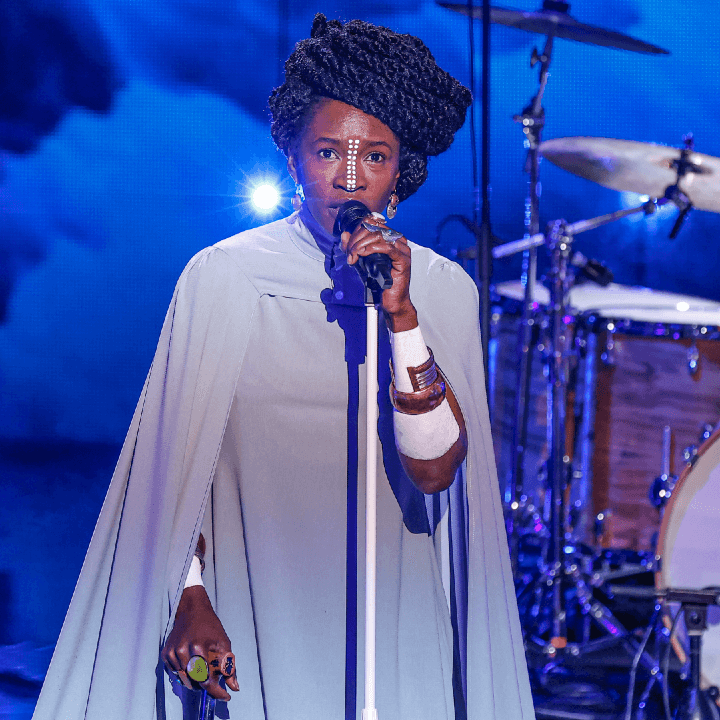
OKALI: Gaelle Minali-Bella and Florent Sorin, a bridge in sound between Cameroon and France. Credit: Philippe Leroux
Overview
Who Is OKALI?
OKALI is a Franco-Cameroonian musical duo formed by Cameroonian singer Gaelle Minali-Bella and French multi-instrumentalist Florent Sorin. Their music blends African music, trip hop and dub into something genuinely new: hypnotic, trance-like grooves under a voice that moves freely between English, French, Zulu and Eton, the Cameroonian language of the Beti people.
After years of experimentation in blending the sounds of their two countries, the duo released their debut EP on February 20, 2026, celebrated with a Paris concert at La Boule Noire earlier that month. Minali-Bella describes the record simply: a return to her African roots.
But behind the music lies one of the most moving personal stories in new French music, a story of loss, distance and homecoming that gives every note its weight.
The Name
The Name: A Childhood Identity Brought Back to Life
Gaelle Minali-Bella left Cameroon for France at the age of 12, when she was adopted by a French family. In that crossing, something else was left behind: her name. Okali, which means “pay attention to others,” was the name she carried through her Cameroonian childhood, up until the adoption.
“It’s the name that I used up until I was adopted, and it’s coming back to life today.”
Gaelle Minali-Bella, to RFINaming the duo Okali was not branding. It was an act of recovery: taking the identity a 12-year-old had to pack away and putting it at the center of the stage, in lights. Few band names in contemporary music carry that much biography in three syllables.
Reconnection
The Language That Came Back Through Music
Minali-Bella’s native tongue is Eton, a language of the Beti ethnic group of central Cameroon. Growing up with her adoptive French family, she progressively forgot how to speak it. The language of her childhood faded, as it does for so many transplanted children, into silence.
Then she started making music, and something unexpected happened: the words came back.
“Music helped me rediscover my dialect, my origins and, inevitably, my history and my childhood memories.”
Gaelle Minali-BellaToday she sings in all the languages she heard as a child, and she insists the multilingualism was never a calculated move: it came from the heart. Each language, she explains, carries different feelings. She does not express herself the same way in Eton as in French or English, and that difference, she says, is precisely what blending cultures is all about.
Her musical foundations followed the same path of fusion. Raised with music as part of daily life in Cameroon, she discovered Western music upon arriving in France. In her words, a sort of melodic fusion occurred, layering itself over her Cameroonian musical background. OKALI is the sound of that fusion made audible.
The Sound
The Sound: Africa, Trip Hop and Dub
While Minali-Bella carries the voice, Florent Sorin builds the world around it. The French multi-instrumentalist crafts the duo’s beats from a fascination with the trance-like patterns of Afrobeat and Jamaican reggae, deepened by his own travels to Cameroon, an experience he says struck him profoundly.
The duo’s list of influences reads like a map of everything adventurous in modern music: the Bristol trip hop of Massive Attack, the fearless art-pop of Bjork, the textures of Radiohead, the storytelling of Tracy Chapman, the Cameroonian saxophone genius of Manu Dibango, and even the progressive metal of Tool. Out of those coordinates, OKALI triangulates a position nobody else occupies: African spirit and neo trip hop softness, rhythms close to a peaceful trance, texts full of humanism and love.
Along the way, French audiences have discovered them everywhere from television’s The Voice to the main stage of the Musiques Metisses festival in Angouleme, one of France’s most respected world music gatherings.
Listen
DEEP: The Introduction to Their World
The best way to understand OKALI is to press play. Their track “DEEP” distills everything: the hypnotic groove, the layered vocals, the feeling of two continents breathing together in one song.

“DEEP”: the sound of Cameroon and France breathing together. A perfect first encounter with the OKALI universe.
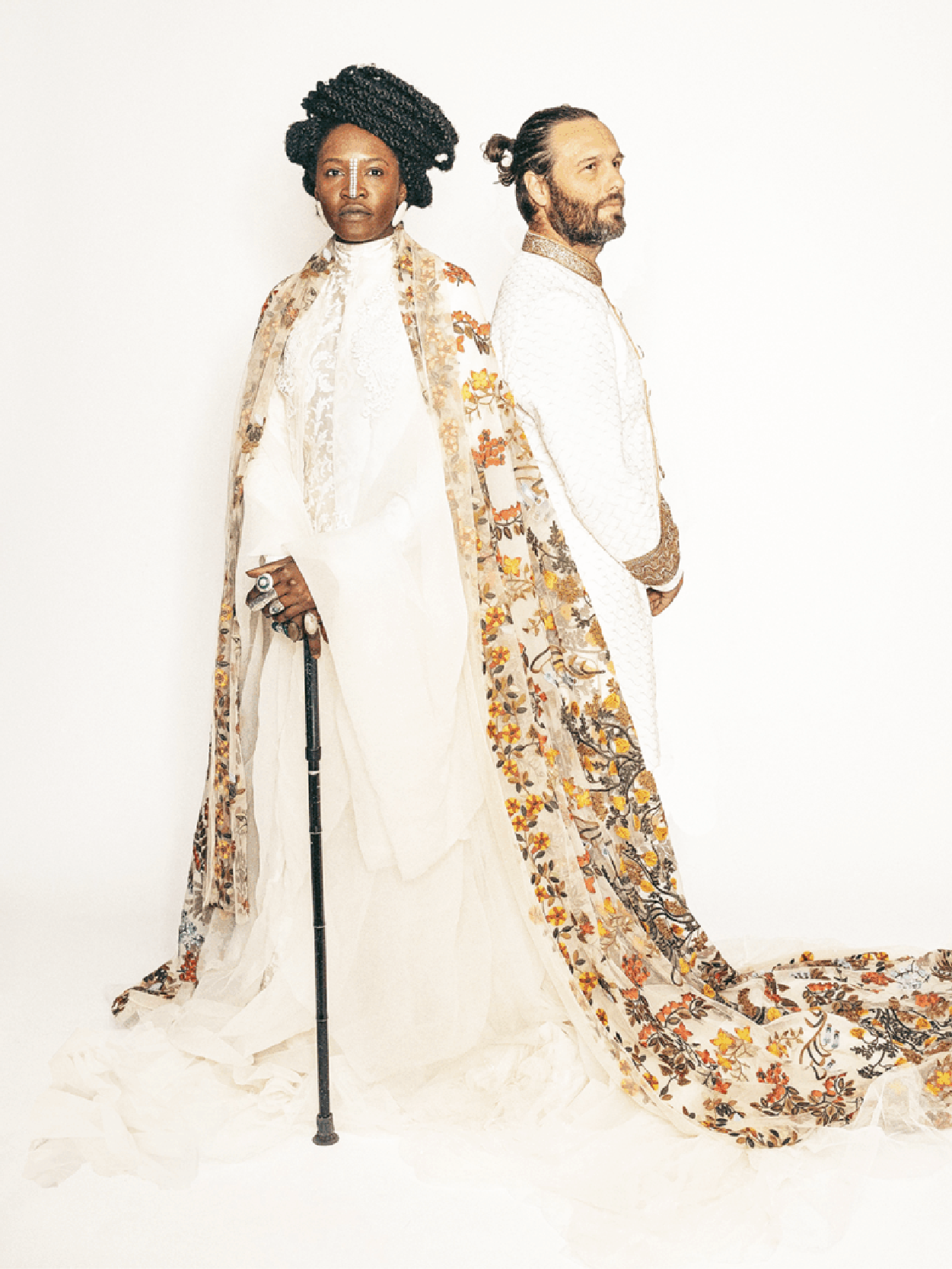
Voice and machine, spirit and groove: the two halves of OKALI. Credit: Philippe Leroux
On Stage
On Stage: No Two Concerts Alike
OKALI treats the stage as a place of freedom, not reproduction. Minali-Bella is explicit about it: on record the music is fixed, but live, the duo loves pushing the boundaries.
“I don’t always do the same vocal versions, I don’t always use the same structure. That’s what’s so great about it.”
Gaelle Minali-Bella, on OKALI’s live shows
“DEEP” live: the same song, reborn. On stage, OKALI reinvents its own material night after night.
Following their Paris date at La Boule Noire on February 4, 2026, the duo is touring France and Switzerland through summer 2026. If the recordings are the map, the concerts are the territory: anyone who has the chance to catch them live will hear versions that exist only for that room, on that night.
The Verdict
Why OKALI Matters
French music has always renewed itself through its encounters with the world: the African currents that shaped French jazz, the Cameroonian groove Manu Dibango brought to Paris, the global fusions of a Lizzy Mercier Descloux. OKALI stands in that lineage while sounding like none of its ancestors.
What makes them singular is that the fusion is not a style choice. It is autobiography. The distance between Yaounde and Paris, the lost language recovered syllable by syllable, the childhood name resurrected as a band name: every element of the OKALI project is lived experience turned into sound. That is why the music lands with such emotional force, and why a debut EP by a new duo feels less like an introduction and more like a homecoming.
She was sent from Cameroon to France at 12. Through music, she found her way home. And now the rest of us get to hear what home sounds like when it spans two continents.
FAQ
Everything You Need to Know About OKALI
Who is OKALI?
What does the name OKALI mean?
What languages does OKALI sing in?
What are OKALI’s musical influences?
When did OKALI release their debut EP?
Where can I see OKALI live in 2026?
Explore More
Discover More French Music
Share This